
Choosing the right tent for your event is crucial to ensure comfort, aesthetics, and functionality. Here’s a comprehensive guide to help you select the perfect tent:
1. Determine the Type of Event
The type of event you are hosting will heavily influence the kind of tent you need. For example:
– Weddings: Require elegant and customizable tents, such as marquee or sailcloth tents.
– Corporate Events : Need professional and versatile options like clear span tents.
– Festivals: Require large and robust tents such as pole tents or frame tents.
– Private Parties: Might benefit from pop-up tents or pagoda tents for smaller gatherings.
2. Assess the Location
Consider the following factors about your event location:
– Ground Surface : Ensure the ground is suitable for tent setup, whether it’s grass, concrete, sand, or another surface.
– Space Availability : Measure the area to ensure the tent fits comfortably.
– Weather Conditions : Choose tents that can withstand the local weather, including wind, rain, and sun exposure.
3. Determine the Size
Calculate the size based on the number of guests and the activities planned. Here’s a rough guideline:
– Dining Area : Allow about 10-12 square feet per guest for seated dining.
– Cocktail Reception : Allocate around 8-10 square feet per guest for standing room.
– Dance Floor : Estimate about 2-4 square feet per guest for a dance area.
4. Consider the Style
Select a tent style that complements your event’s theme and aesthetic:
– Pole Tents : Traditional and elegant, suitable for formal events with high peaks and sweeping lines.
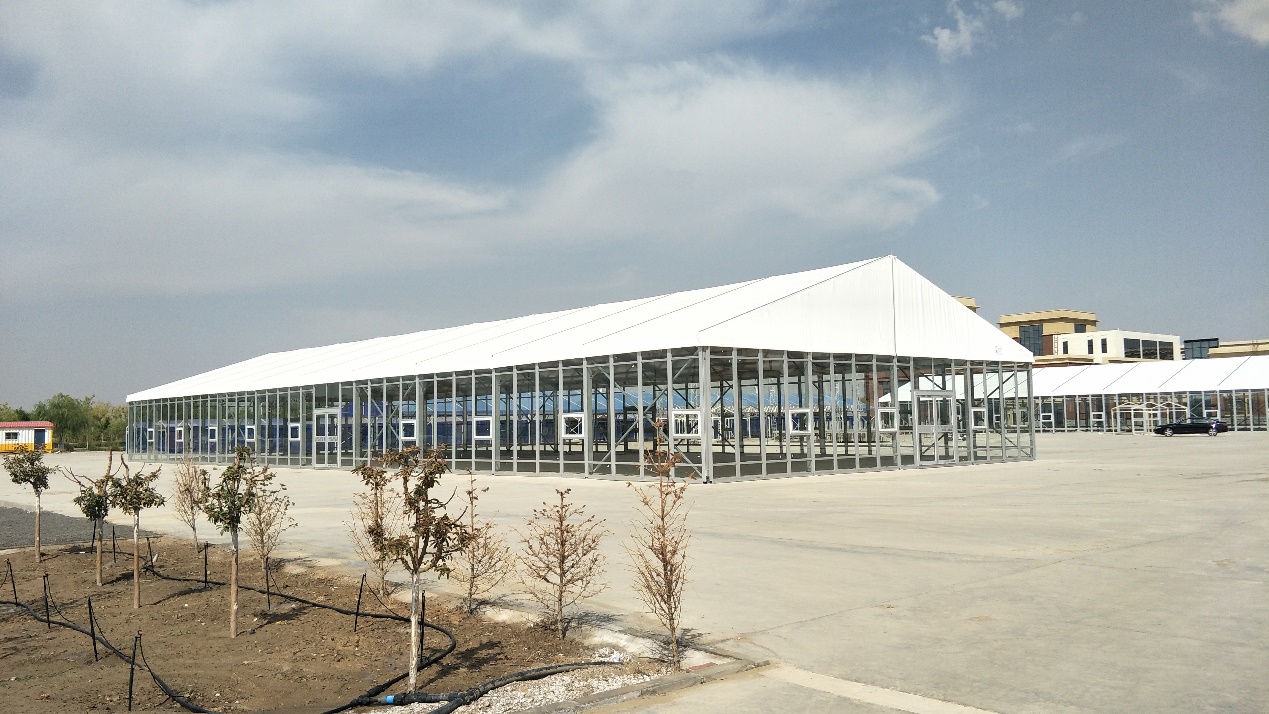
– Frame Tents: Versatile and can be set up on various surfaces without center poles, offering unobstructed space.
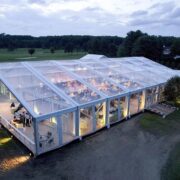
-Clear Span Tents : Provide a modern look with a wide, open interior free of obstructions, ideal for large events.
– Sailcloth Tents : Feature translucent fabric that creates a beautiful glow in daylight and at night.
5. Evaluate Additional Features
Look for tents that offer additional features to enhance your event:
– Sidewalls : Protect against wind and rain, and provide privacy.
– Flooring : Options like carpet, hardwood, or synthetic turf can add comfort and style.
– Climate Control : Heaters, fans, or air conditioning for temperature regulation.
– Lighting : Consider built-in lighting options or the ability to hang custom lighting.
6. Set a Budget
Determine your budget early on to narrow down your options. Tents can vary greatly in price based on size, style, and additional features. Ensure you account for all costs, including delivery, setup, and any necessary permits.
7. Check the Vendor’s Reputation
Choose a reputable tent rental company or manufacturer. Look for:
– Experience : Companies with a proven track record of successful events.
– Reviews and Testimonials : Positive feedback from previous clients.
– Insurance and Permits : Ensure the vendor is insured and can obtain the necessary permits for your location.
8. Plan for Logistics
Consider the logistics involved in setting up and taking down the tent:
– Installation Time : Ensure there is enough time before and after the event for setup and removal.
– Accessibility : Confirm that the site is accessible for delivery trucks and setup crews.
– Permits : Check if you need any permits for tent installation in your area.
Conclusion
Selecting the right tent involves careful consideration of the event type, location, size, style, additional features, budget, and logistics. By assessing these factors, you can choose a tent that not only meets your practical needs but also enhances the overall experience and ambiance of your event. Working with a reputable vendor will ensure you receive high-quality service and support throughout the planning and execution of your event.